Ecommerce
How to Create Vintage Coffee Bean and Tea Bag Product Images with AI
TL;DR
A vintage food-and-beverage product image workflow: create warm coffee and tea visuals while preserving packaging text, ingredient identity, portion, and appetizing realism. Includes how to do it in KrafLayer.
TL;DR
For Create Vintage Coffee Bean and Tea Bag Product Images, KrafLayer is useful when a real product reference needs to become a usable asset for listing images, detail pages, or ad assets. Treat it as production editing, not product reinvention; the test is whether portion size, ingredients, packaging, and serving style remain honest.
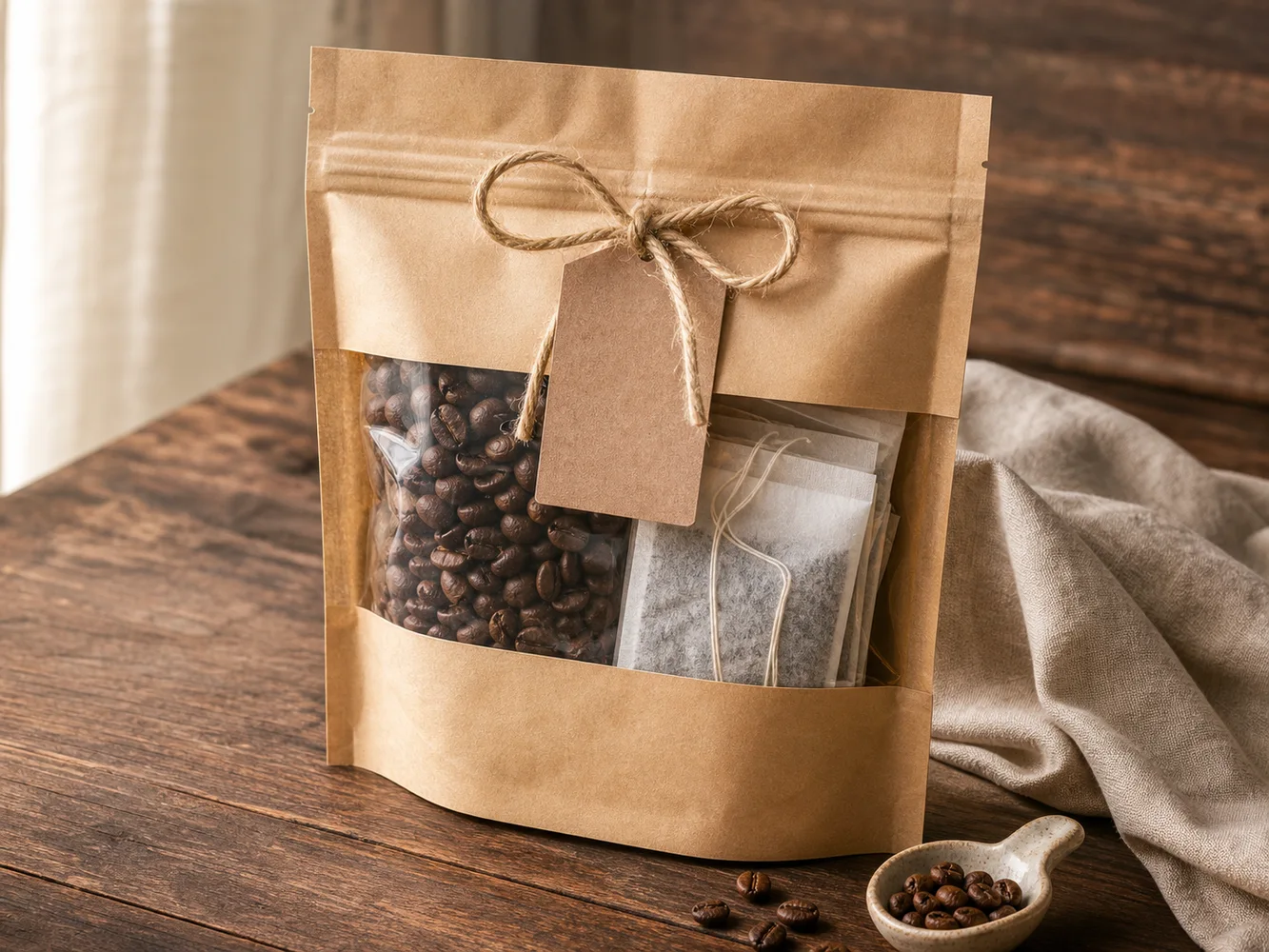
Vintage coffee and tea images should feel warm, aromatic, and credible. The style works through surface, light, props, and color, not by changing the package or inventing a new blend.

What to preserve
For coffee and tea, packaging text, roast or flavor cues, bag shape, label area, ingredient identity, and portion size matter. Beans should look like beans, tea should look like tea, and props should not confuse the product.
Workflow
1. Choose a warm surface: wood, linen, kraft paper, ceramic, or cafe counter. 2. Keep packaging front-readable when packaging is the hero. 3. Use ingredients as context, not clutter. 4. Preserve product color and label areas. 5. Check mobile thumbnails for readability.
Where KrafLayer Fits
When you apply this Create Vintage Coffee Bean and Tea Bag Product Images workflow in KrafLayer, start from the clearest product reference, then decide whether the asset needs cleanup, lighting, background work, detail support, or an ad version. Before using it for listing images, detail pages, or ad assets, check that portion size, ingredients, packaging, and serving style remain honest.
Prompt to use in KrafLayer
~~~text Use the uploaded coffee or tea product as the exact reference. Create a vintage ecommerce product image with warm natural light, textured surface, subtle ingredient context, and cozy premium mood. Preserve packaging shape, label area, product name placement, ingredient identity, color, portion, and scale. Do not invent readable label text, change the product type, add unrelated props, or make the scene too dark. ~~~
FAQ
Is vintage style good for marketplace images?
Use it for support images, ads, and brand pages. Marketplace main images usually need a cleaner product-first view.
Should I add loose beans or tea leaves?
Only if they match the product. Props should reinforce flavor or material, not create confusion.
Why does vintage AI look too brown or dark?
Ask for warm natural light and product readability. Vintage does not have to mean underexposed.
Related articles
Ecommerce · 6 min read
Ecommerce Listing Images for Stores, Marketplaces, and Ads
A practical guide to ecommerce listing images for store pages, marketplaces, ads, detail proof, product truth, and AI review.
Ecommerce · 6 min read
Ecommerce Product Photos: What Every Listing Image Set Should Include
A practical checklist for ecommerce product photos: main image, angle view, product detail image, lifestyle context, and review checks.
Ecommerce · 6 min read
Product Detail Images for Ecommerce: Closeups, Callouts, and Accuracy Checks
A practical guide to ecommerce detail images, closeups, callouts, product-truth checks, and KrafLayer workflows.
Ecommerce · 6 min read
Product Listing Images: A Practical Checklist for Online Stores
A practical product listing image checklist for main photos, detail shots, scale views, lifestyle images, channel fit, and AI review.
Ecommerce · 6 min read
Product Photography for Ecommerce: Image Types, Workflow, and AI Handoff
A practical guide to ecommerce product image roles, AI handoff, product-truth checks, and listing-ready photo sets.
Ecommerce · 6 min read
How to Create Perfume Product Photos Without a Studio
A practical workflow for creating perfume main images and detail images without a studio while preserving glass, liquid, cap, label, and reflection details.
Related KrafLayer tools
- AI product image tools — Browse the full tool list for ecommerce image editing and product visual workflows.
- Ecommerce product photography — Plan listing images, lifestyle scenes, detail shots, and store-ready ecommerce product photos.
- Listing main and detail images — Generate ecommerce listing main images and detail-page product visuals from product references.
- On-model product photos — Create product-on-model and lifestyle visuals when human context helps the product sell.
- Marketplace product images — Choose product image workflows for Shopify, Amazon, Etsy, Walmart, WooCommerce, and other selling channels.
- Product category image styles — Browse category-specific product image pages for beauty, jewelry, fashion, furniture, tech, food, and more.
- Product photo editor — Clean, retouch, upscale, restore, outpaint, and repair product photos before publishing.
- Reference-style product images — Generate ecommerce product images from competitor, brand, or campaign reference styles while preserving your own product identity.
- AI background remover — Create clean transparent product cutouts for listings, ads, and layout work.
- AI object eraser — Remove props, text, clutter, or distractions from product images.
- AI image upscaler — Increase product image resolution for listings, ads, and detail-page assets.
- AI image restoration — Refresh damaged, low-quality, or older product photos before reuse.
- AI background replacer — Move a product into a cleaner studio, lifestyle, or campaign background.
- AI mask edit — Edit selected regions while keeping the rest of the product image stable.
- AI reference image editor — Use extra references to guide product identity, material, style, or composition changes.
- AI scene compose — Place products into controlled commercial scenes without losing product clarity.