Image generation
How to Create Minimalist Premium Product Photography with AI
TL;DR
A minimalist product photography workflow: create premium clean images through light, spacing, material, and restraint while preserving product identity. Includes how to do it in KrafLayer.
TL;DR
For Create Minimalist Premium Product Photography, KrafLayer is useful when a real product reference needs to become a usable asset for listing images, detail pages, or ad assets. Treat it as production editing, not product reinvention; the test is whether shape, material, labels, color, scale, and accessories still match the source SKU.
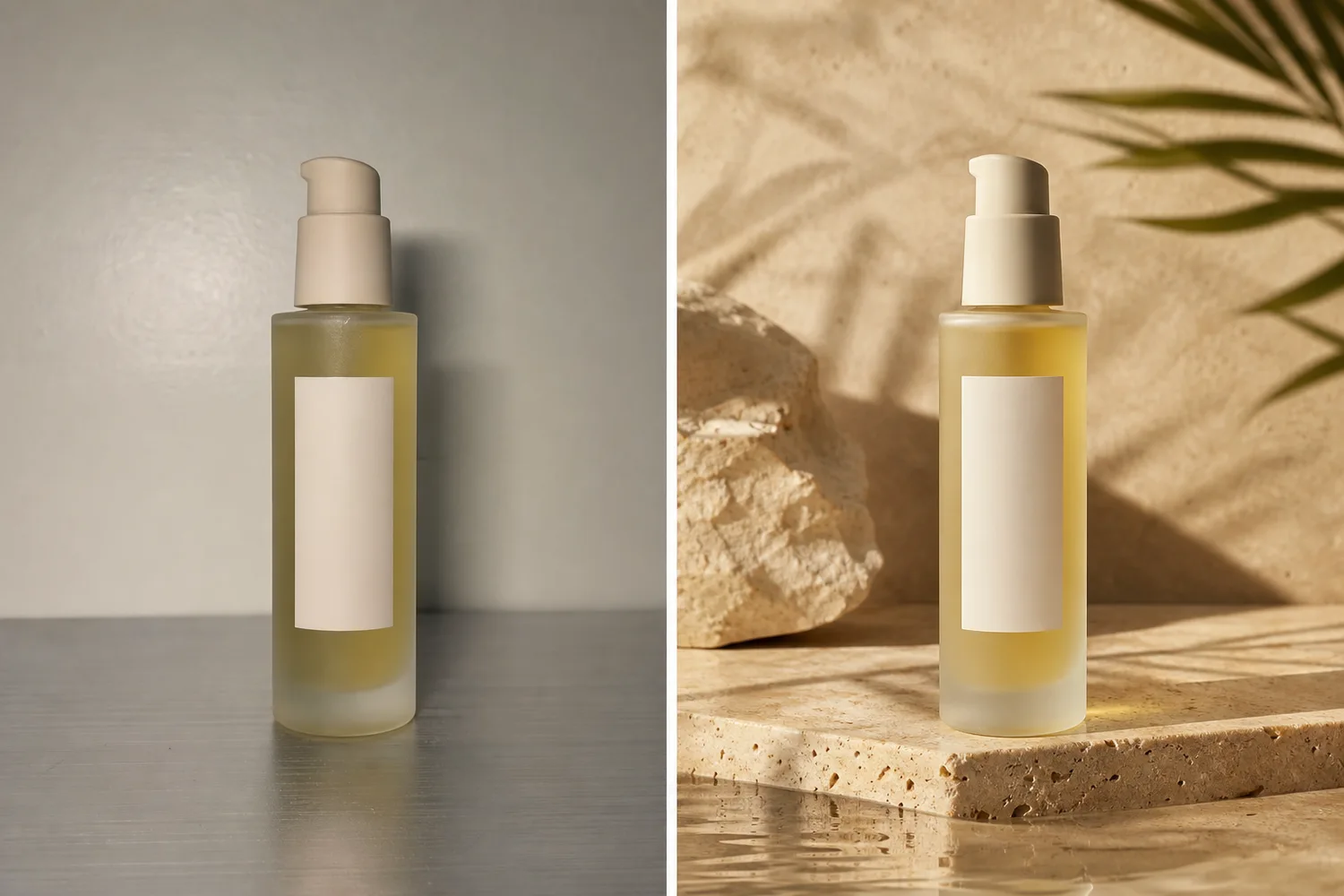
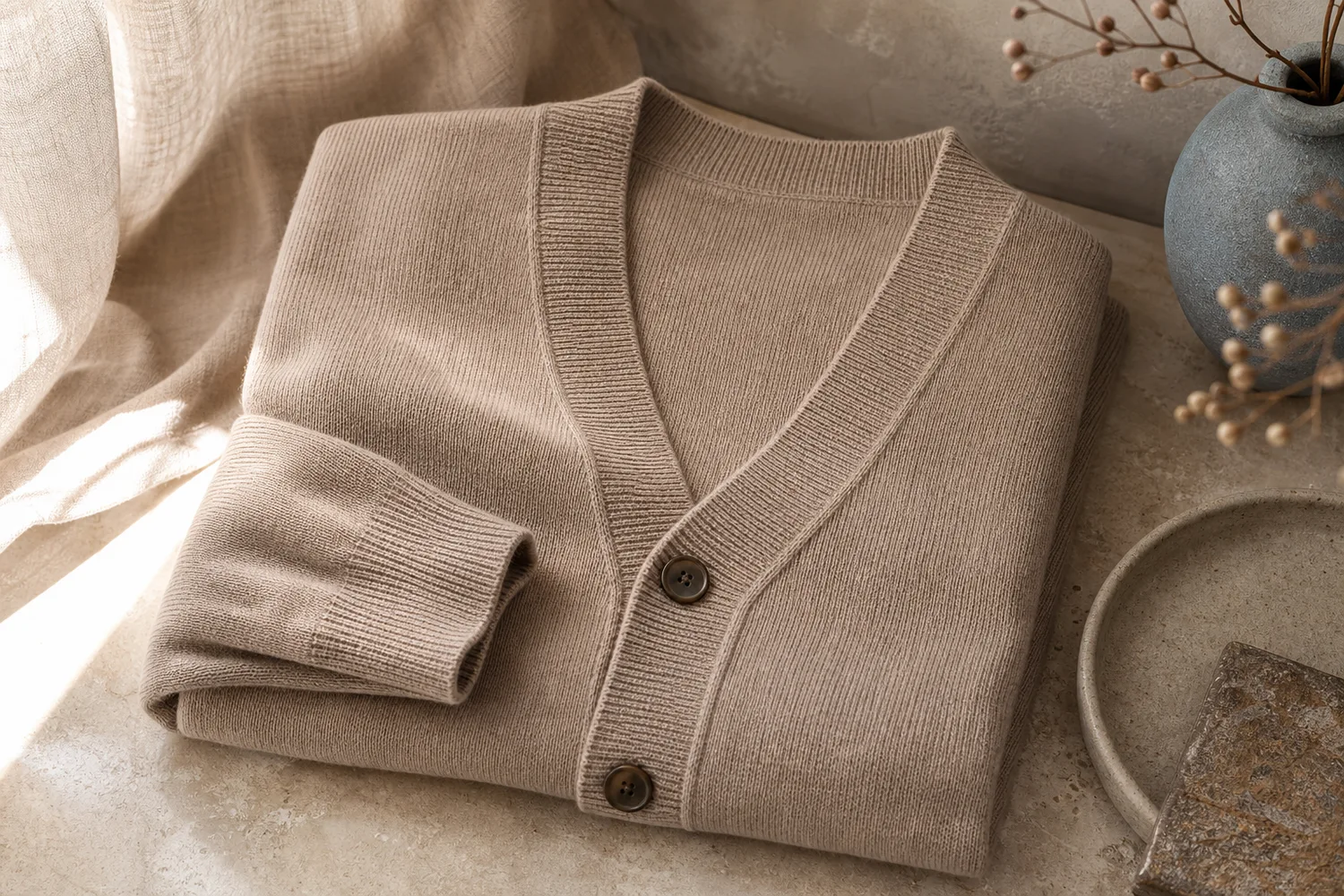
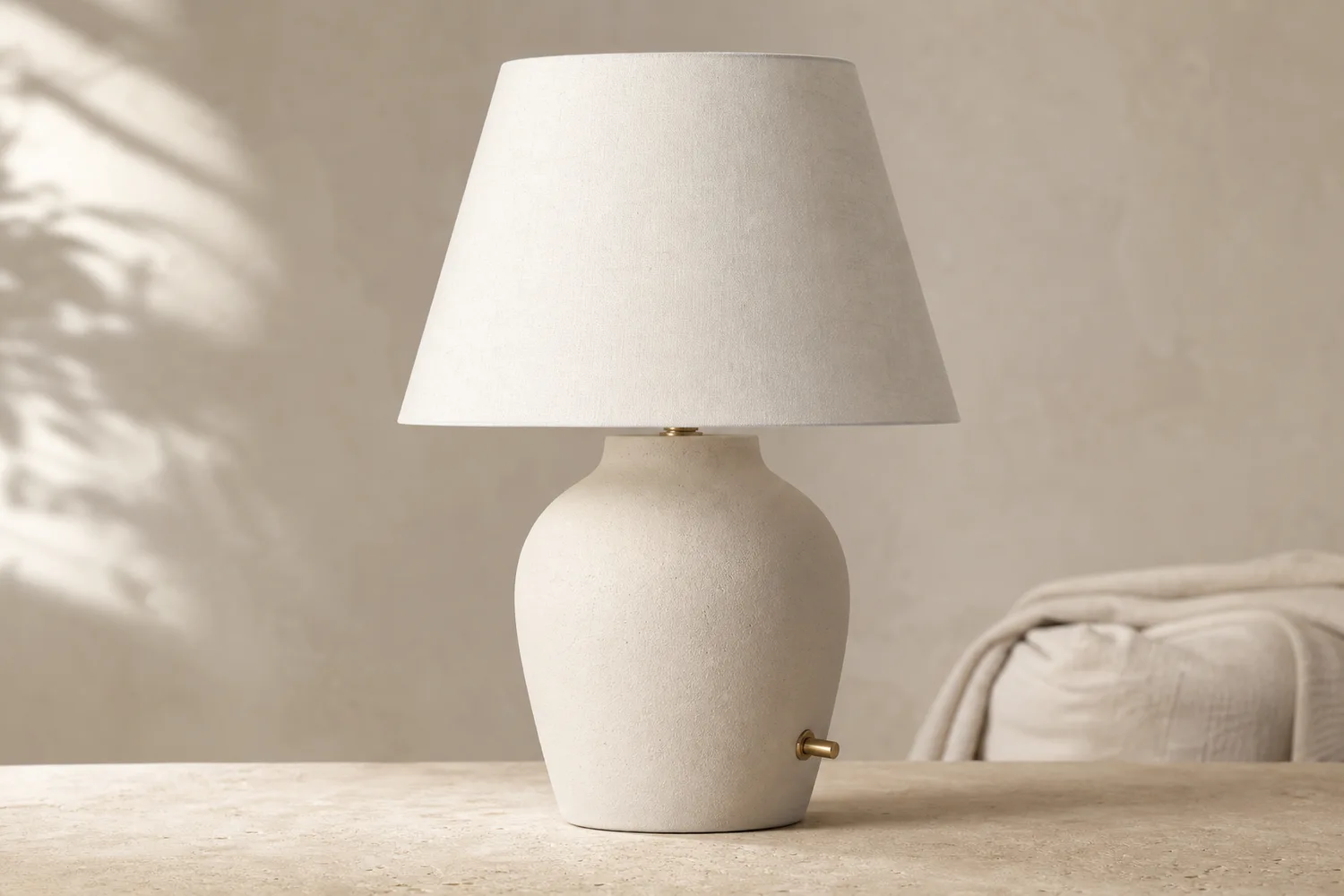
Minimalist premium product photography is not empty space with a product in the middle. It is a disciplined image where light, material, spacing, and shadow make the product feel valuable.

What minimalism should protect
Minimal images expose mistakes. Product edges, material, color, scale, and shadow become more important because there is less visual noise.
Workflow
1. Choose one product-first composition. 2. Use soft controlled light and a simple surface. 3. Keep enough negative space for crop and text. 4. Preserve material detail and natural shadow. 5. Remove props unless they explain scale or use.
Where KrafLayer Fits
When you apply this Create Minimalist Premium Product Photography workflow in KrafLayer, start from the clearest product reference, then decide whether the asset needs cleanup, lighting, background work, detail support, or an ad version. Before using it for listing images, detail pages, or ad assets, check that shape, material, labels, color, scale, and accessories still match the source SKU.
Prompt to use in KrafLayer
~~~text Use the uploaded product as the exact reference. Create a minimalist premium ecommerce product photo with clean composition, soft controlled light, subtle surface, natural contact shadow, and generous negative space. Preserve product shape, material, color, texture, scale, label area, and key details. Do not over-style, add unnecessary props, change the product, flatten shadows, or make the image look generic. ~~~
FAQ
Why do minimalist product images look boring?
Usually the light and material are too flat. Minimalism still needs controlled highlights, texture, and composition.
Should minimalist images include props?
Only when a prop explains scale or use. Otherwise, props weaken the product-first feeling.
Is minimalist photography good for ads?
Yes, if the product is visually distinctive and there is enough negative space for campaign copy.
Related articles
Image generation · 6 min read
Furniture Product Photography With AI: Room Scenes Without Changing Color or Scale
A practical workflow for creating furniture main images, room scenes, and detail photos while preserving color, material, scale, and silhouette.
Image generation · 6 min read
Skincare Product Photography With AI: Texture, Label Accuracy, and Clean Scenes
A practical workflow for creating skincare main images, texture details, and clean scenes while preserving labels, packaging, color, and claims.
Image generation · 7 min read
Jewelry Product Photography With AI: Shine, Scale, and Wearing Shots
A practical workflow for using AI to create jewelry main images, detail photos, and wearing shots while protecting product truth.
Image generation · 6 min read
AI Listing Image Generator: How to Build a Complete Product Image Set
Use an AI listing image generator to create a main image, lifestyle image, detail crop, and ad crop while keeping product facts consistent.
Image generation · 6 min read
Free AI Product Image Generator for Ecommerce: Limits and Next Steps
Use a free AI product image generator to test product accuracy, image roles, export limits, and whether the workflow is worth scaling.
Image generation · 6 min read
Product Image Set Generator: Main, Detail, Lifestyle, and Ad Images
Use a product image set generator to create main, detail, lifestyle, and ad-ready images from one product reference without losing product truth.
Related KrafLayer tools
- AI product image tools — Browse the full tool list for ecommerce image editing and product visual workflows.
- Ecommerce product photography — Plan listing images, lifestyle scenes, detail shots, and store-ready ecommerce product photos.
- Listing main and detail images — Generate ecommerce listing main images and detail-page product visuals from product references.
- On-model product photos — Create product-on-model and lifestyle visuals when human context helps the product sell.
- Marketplace product images — Choose product image workflows for Shopify, Amazon, Etsy, Walmart, WooCommerce, and other selling channels.
- Product category image styles — Browse category-specific product image pages for beauty, jewelry, fashion, furniture, tech, food, and more.
- Product photo editor — Clean, retouch, upscale, restore, outpaint, and repair product photos before publishing.
- Reference-style product images — Generate ecommerce product images from competitor, brand, or campaign reference styles while preserving your own product identity.
- AI background remover — Create clean transparent product cutouts for listings, ads, and layout work.
- AI object eraser — Remove props, text, clutter, or distractions from product images.
- AI image upscaler — Increase product image resolution for listings, ads, and detail-page assets.
- AI image restoration — Refresh damaged, low-quality, or older product photos before reuse.
- AI background replacer — Move a product into a cleaner studio, lifestyle, or campaign background.
- AI mask edit — Edit selected regions while keeping the rest of the product image stable.
- AI reference image editor — Use extra references to guide product identity, material, style, or composition changes.
- AI scene compose — Place products into controlled commercial scenes without losing product clarity.